
Going Through Europe’s New EES? Here’s What to Expect at Passport Control
- Your first EES registration may include a passport scan, facial photo, fingerprints, and questions about your trip.
- Registration happens when you first cross an external EES border—even if you are connecting.
- Wait times vary considerably depending on passenger volume, equipment, and staffing.
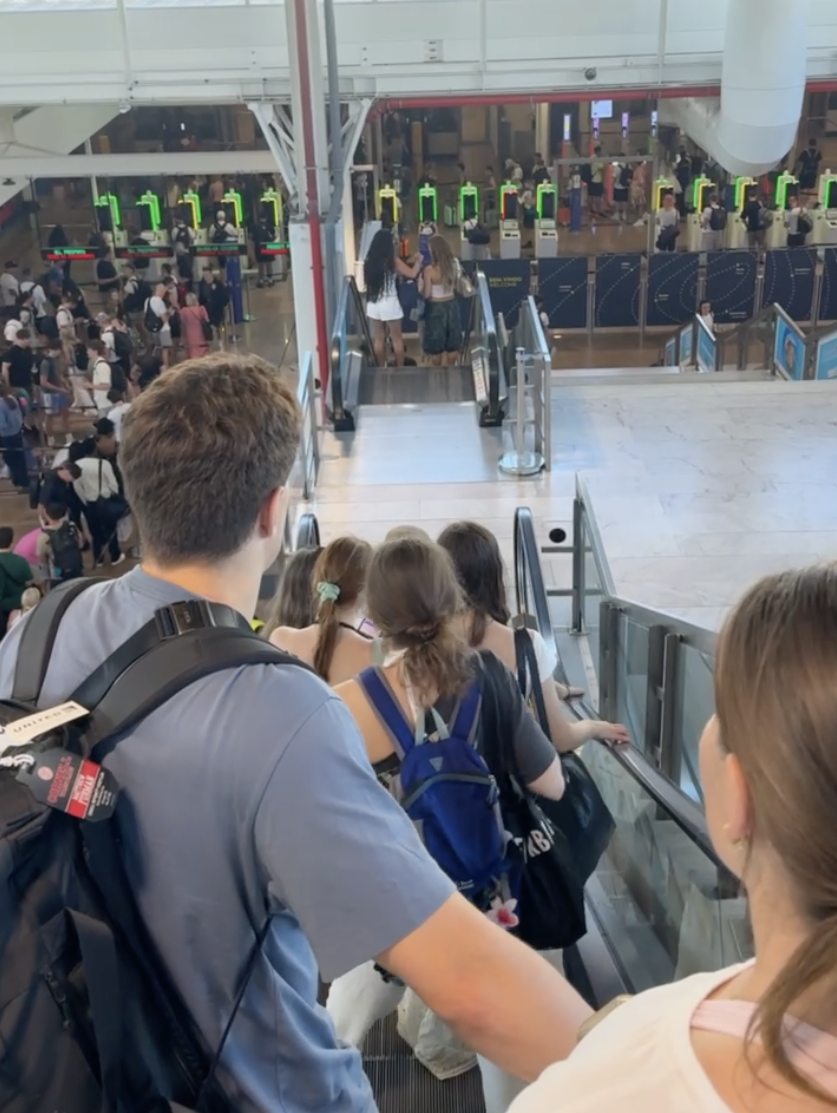
Europe’s Entry/Exit System sounds more intimidating than it is. The steps are straightforward: scan your passport, register your biometrics, and answer any questions about your visit.
What is unpredictable is how long it will take.
Entering through Faro Airport was easy for me. Leaving Faro was the opposite—the passport-control lines were terrible. The same airport can deliver two completely different experiences depending on passenger volume, staffing, and whether the machines are cooperating.
Here’s what to expect at airports and international train stations.
Does EES apply to you?
EES records when most non-EU travelers enter and leave 29 participating European countries for a short stay. For most American tourists, EES applies. It generally covers non-EU nationals visiting for up to 90 days in any 180-day period.
The system records passport information, entry and exit dates, a facial image, and, when required, fingerprints. Children under 12 are not fingerprinted. Certain travelers, including qualifying European residents and those traveling with an EU passport, are exempt.
EES has been fully operational at external border crossings since April 10, 2026. Check the official EU EES guide for the complete rules and exemptions.
EES is not ETIAS: EES records border crossings and biometric information. ETIAS is a separate travel-authorization program.
You register at your first external EES border
You do not necessarily complete EES at your final destination. If you fly from New York to Rome with a connection in Lisbon, you normally complete passport control and EES registration in Lisbon because Portugal is where you first enter the participating European area.
This matters when booking connections. A seemingly comfortable layover may feel very different if it includes your first EES registration, a terminal change, or another security check.
The same principle applies when entering by international train.
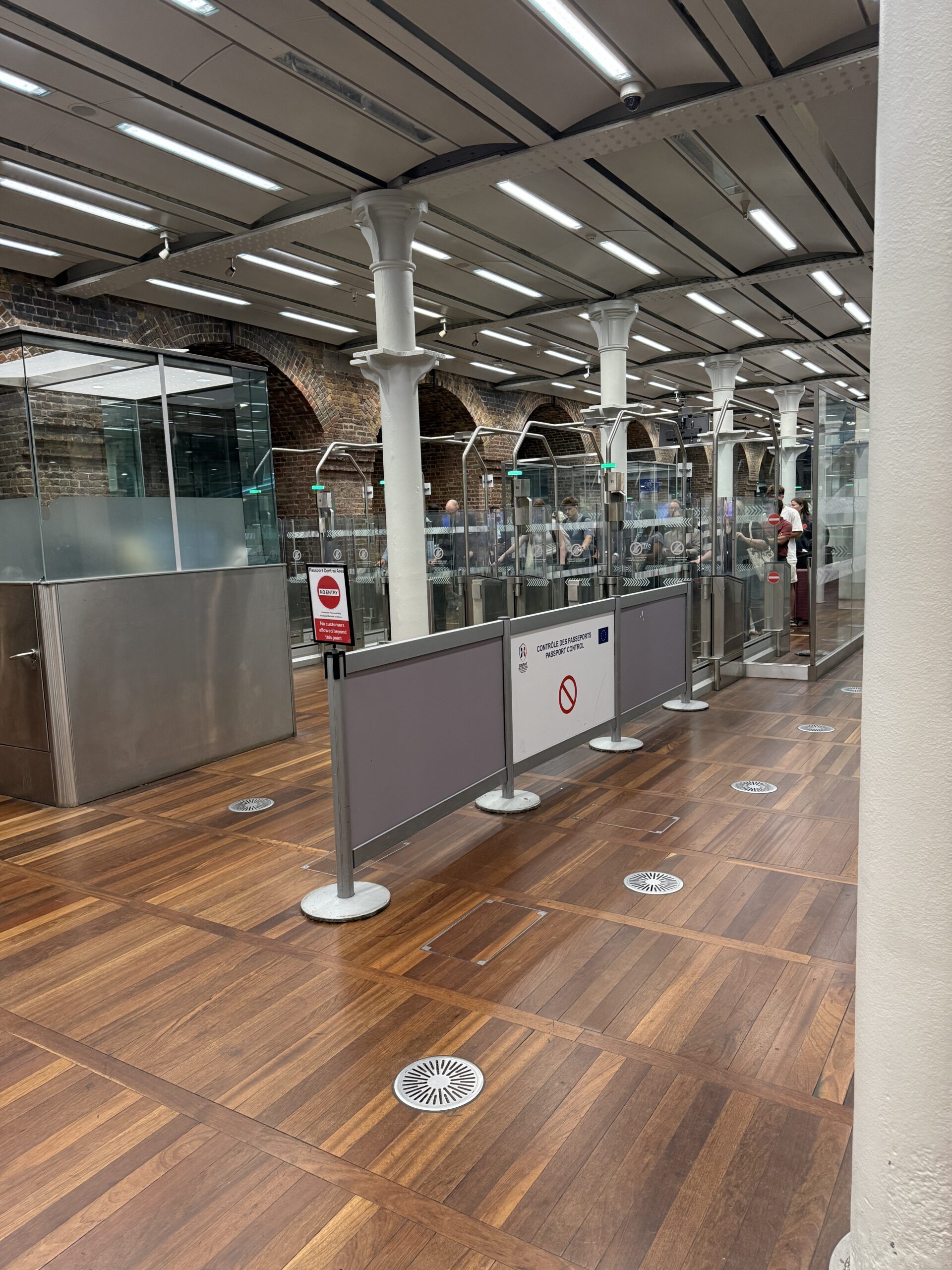
When Matthew, Matalie, and I traveled from London to Paris on Eurostar, we completed French border formalities at London St Pancras International before boarding.
Eurostar passengers complete ticket checks, luggage security, and passport formalities before departure. Eligible travelers also complete EES registration before leaving the UK rather than after arriving in Paris. Check Eurostar’s current St Pancras guidance before deciding when to arrive.
What happens during your first EES registration?
The setup varies, but your first registration may combine a self-service kiosk with a staffed passport-control desk.
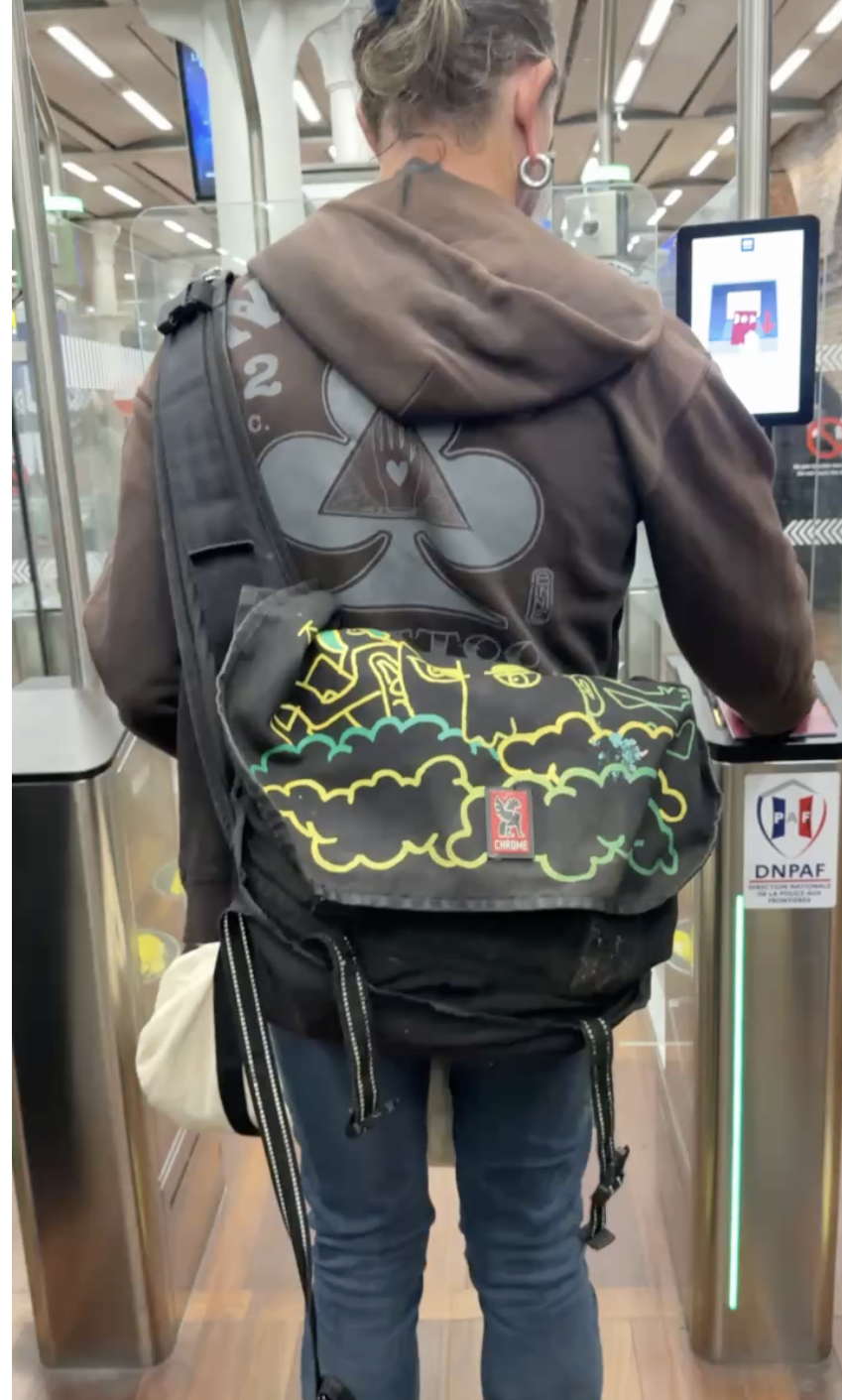
1. Scan your passport
Place the passport’s photo page on the scanner and follow the instructions. Some machines also read the electronic chip in a biometric passport. Remove your passport from its cover unless instructed otherwise.
2. Take a facial photo
Look directly at the camera. Remove hats, sunglasses, face coverings, or regular glasses when requested.
3. Register your fingerprints
Visa-exempt travelers may have four fingerprints collected. Travelers with short-stay visas normally provided fingerprints during the visa process. Follow the screen diagrams, keep your fingers flat, and wait for the machine’s prompt before moving your hand.
4. Answer questions about your visit
EES is the electronic registration system, but the usual entry requirements still apply. A kiosk or border officer may ask why you are visiting, how long you are staying, where you are staying, which countries you will visit, whether you have a return or onward ticket, and whether you have sufficient funds.
Not everyone will be asked every question. Still, keep your first accommodation address, itinerary, and return reservation accessible without relying on airport Wi-Fi. European authorities may require travelers to explain the purpose of their visit and show they can support themselves. The EU provides more information about financial means for entry.
Fingerprints may be the slowest step
Sometimes the fingerprint scanner works immediately. Sometimes it takes several attempts. Dry skin, hand placement, movement, and the scanner itself can affect the result.
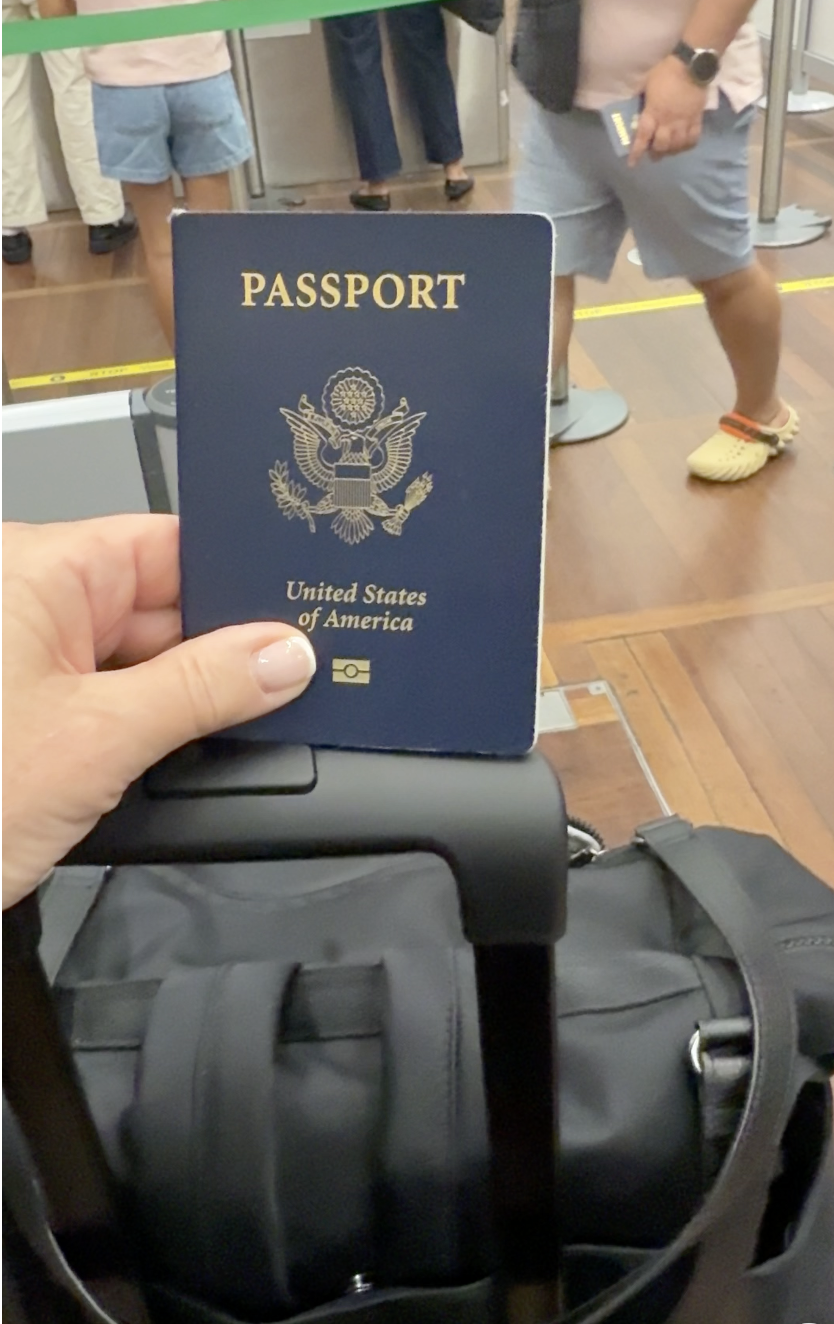
Keep your fingers flat, follow the diagrams, and do not panic if the first scan fails. A failed scan is not the same as being refused entry.
What happens if the kiosk rejects you?
If the machine cannot complete your check, you may be directed to an officer or a separate staffed line. Your passport chip may not have scanned properly, your face may not have been verified, your fingerprint image may be incomplete, or an entry requirement may need manual review.
The official EES border-check guidance says biometric information may occasionally need to be collected again.
Being redirected does not automatically mean there is a problem with your eligibility to travel. But it can add time—especially when several passengers need help and only a limited number of officers are processing those cases.
Why are wait times so unpredictable?
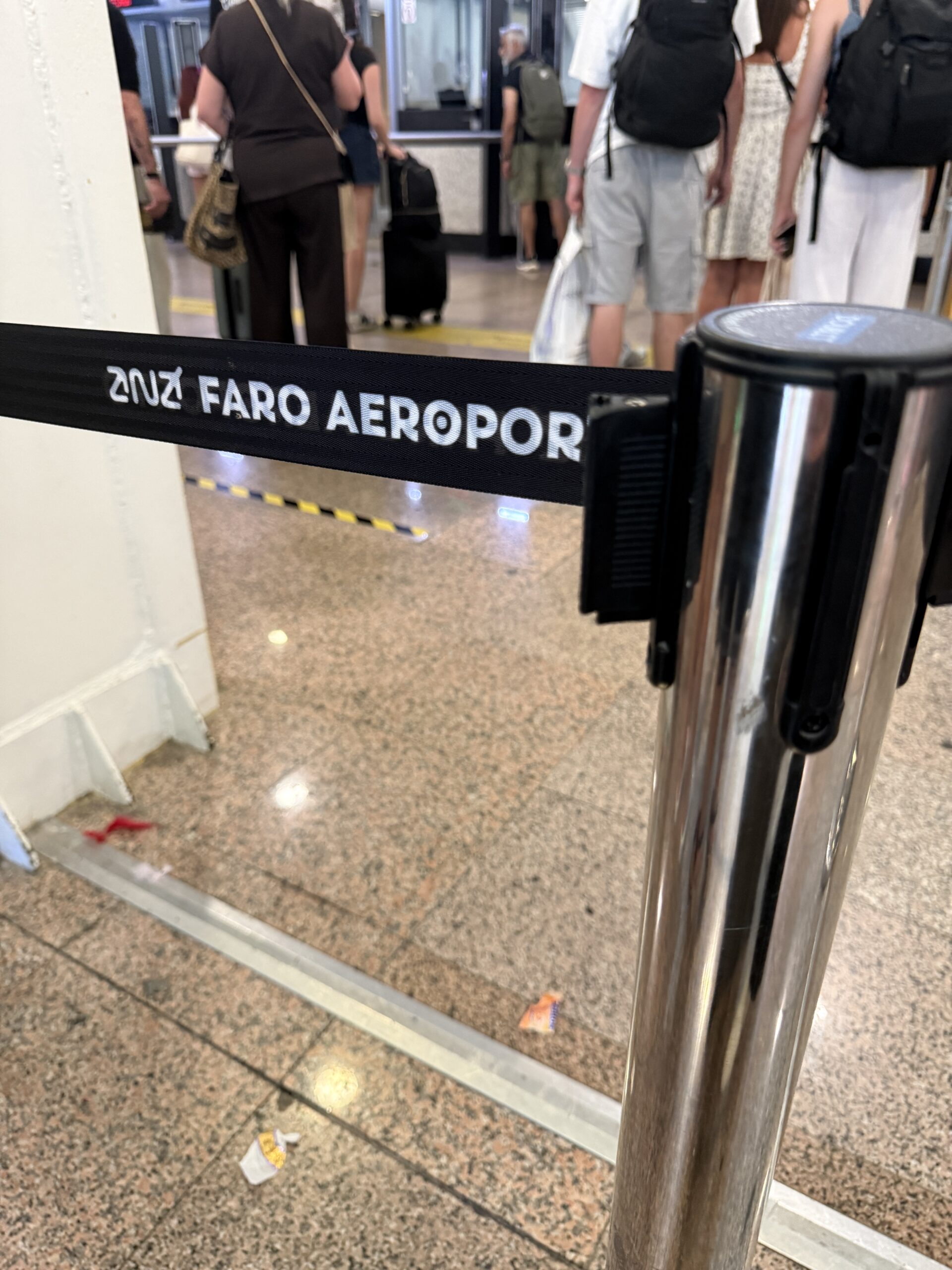
Your experience can depend on how many flights or trains arrive together, how many travelers need first-time registration, how many kiosks and staffed desks are open, how well the machines scan passports and fingerprints, and how many travelers are sent for manual processing.
The kiosk may take only a few minutes. The backup often begins when the technology does not work or several travelers need individual help at once. That is why another traveler’s five-minute experience cannot predict yours.
Leaving Europe also involves EES
Your departure is recorded electronically when you leave the participating area. The exit process may involve a passport scan, biometric verification, or an officer.
At an airport, remember that airline check-in, airport security, exit passport control, and boarding are separate stages. A short security line does not guarantee a short passport-control line.
Fast Track may not include passport control
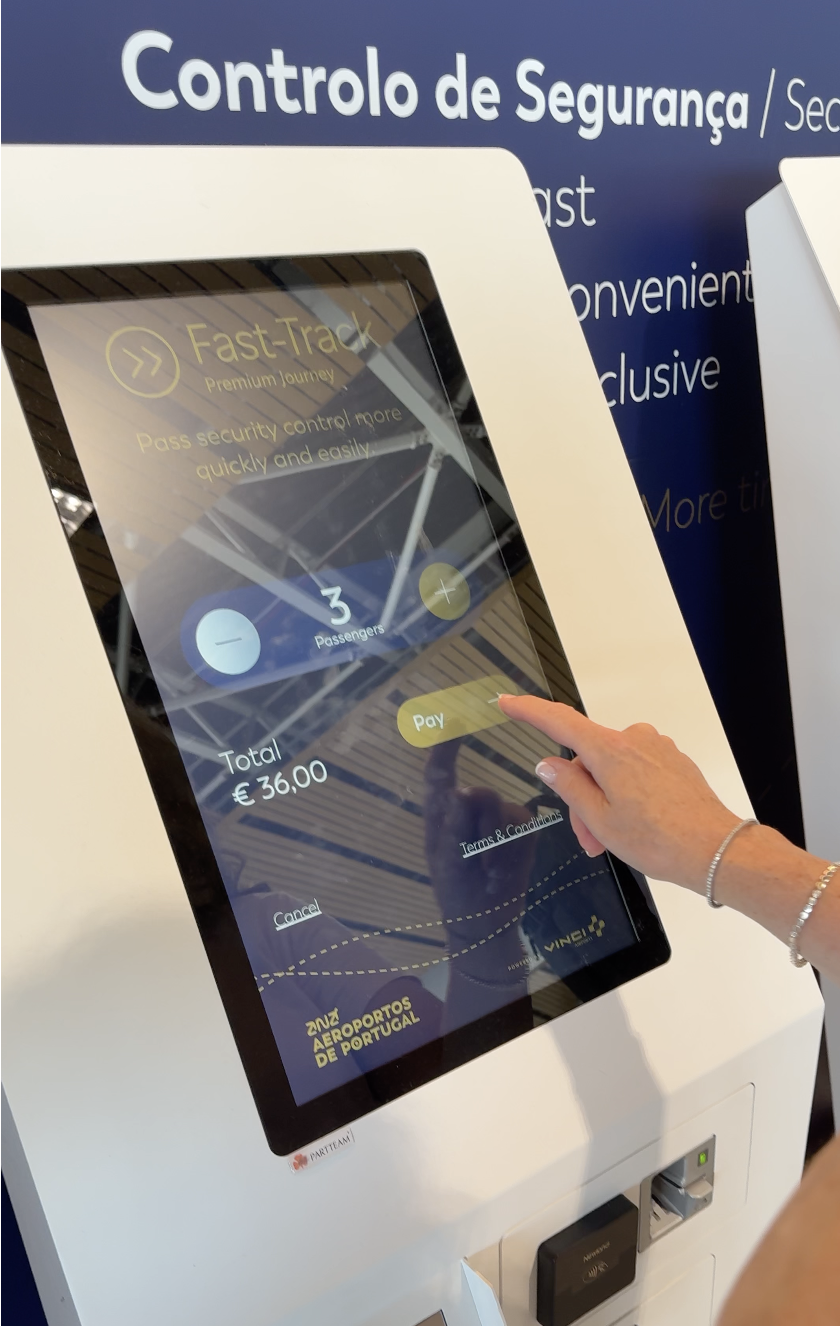
Some airports sell Fast Track, but always check what it covers. At Faro, Fast Track provides a priority security channel. It does not eliminate EES or passport control. The airport’s official Fast Track information confirms that the service applies to security.
Can the Travel to Europe app help?
The official Travel to Europe app allows eligible biometric-passport holders to submit certain information within 72 hours of travel. It does not replace border control, and its features vary.
Sweden currently supports passport data, a facial image, and the entry questionnaire. Portugal supports the questionnaire. Check the official Travel to Europe app page before relying on it. Consider it a possible head start—not a guarantee that you will avoid a line.
Screenshot this: Your EES checklist
✓ Confirm whether EES applies to you
✓ Identify your first external EES border
✓ Allow extra time for your first registration
✓ Keep your accommodation address accessible
✓ Save your return or onward reservation offline
✓ Have your passport out and ready
✓ Follow the fingerprint diagrams slowly
✓ Expect a staffed check if the kiosk cannot verify you
✓ Do not assume Fast Track includes passport control
✓ Check whether the Travel to Europe app supports your crossing
✓ Avoid planning a tight connection around someone else’s experience
My best advice
EES itself is not especially complicated. The uncertainty comes from where you encounter it, whether the equipment accepts your passport and biometrics, and how quickly that border crossing can help travelers who need manual processing.
Prepare the information you may be asked to provide and allow extra time—particularly during your first registration or before a connection.
If everything works, you may be through in minutes. If it does not, the extra time in your itinerary could save your trip.